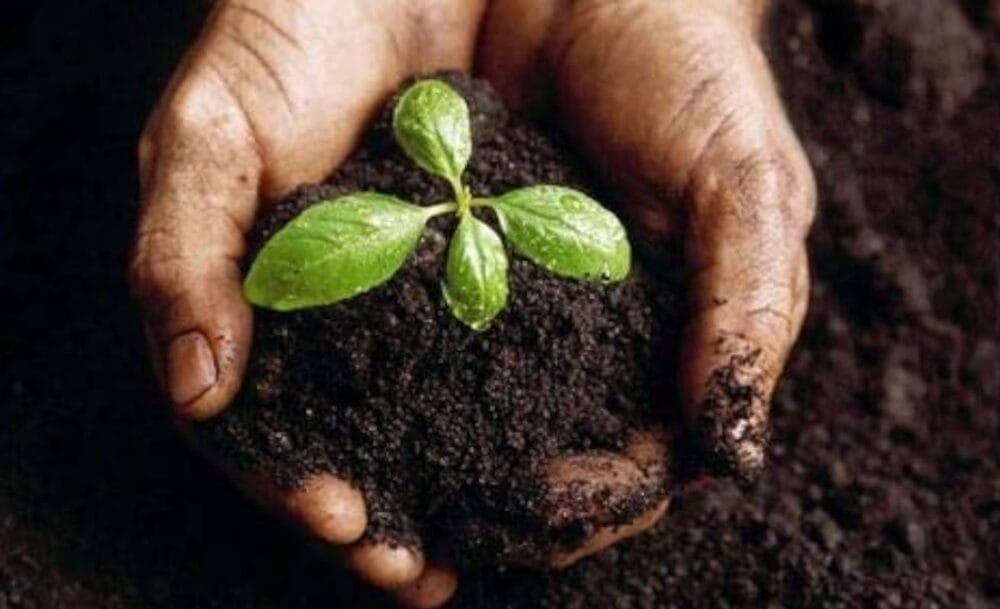
Garden Fertilizers
A healthy garden depends not only on sunlight and water but also on proper nutrition. Garden fertilizers play a vital role in supplying essential nutrients that help plants grow strong, produce flowers, and yield fruits and vegetables.
Whether you are maintaining a home kitchen garden, ornamental plants, or a lawn, understanding garden fertilizers can significantly improve plant health and productivity.
Table of Contents
What Are Garden Fertilizers?
Garden fertilizers are substances added to soil or plants to provide essential nutrients required for growth. Over time, soil loses nutrients due to plant uptake, watering, and erosion. Fertilizers replenish these nutrients and maintain soil fertility.
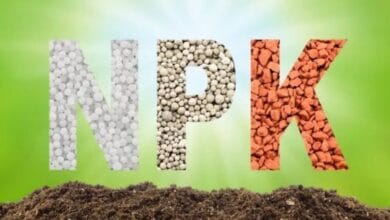
The three primary nutrients found in most fertilizers are:
- Nitrogen (N): Promotes leafy growth and green color
- Phosphorus (P): Supports root development and flowering
- Potassium (K): Improves overall plant health and disease resistance
These nutrients are often represented as N-P-K ratios on fertilizer packaging.
Types of Garden Fertilizers
1. Organic Fertilizers
Organic fertilizers are derived from natural sources such as plant and animal matter. Common examples include compost, farmyard manure, vermicompost, bone meal, neem cake, and green manure.
Benefits:
- Improve soil structure and microbial activity
- Release nutrients slowly
- Environment-friendly and safe for long-term use
Organic fertilizers are ideal for kitchen gardens, fruit plants, and eco-friendly gardening.
Also Read: Top 10 Benefits of Organic NPK Fertilizers for healthy plants
2. Inorganic (Chemical) Fertilizers
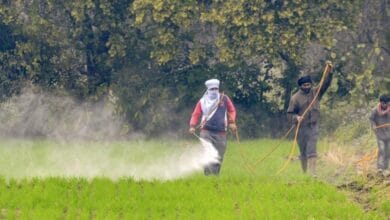
Chemical fertilizers are manufactured to provide nutrients in concentrated forms. Examples include urea, DAP (di-ammonium phosphate), potash, and NPK mixtures.
Benefits:
- Quick nutrient availability
- Easy to apply and measure
- Useful for correcting nutrient deficiencies
However, excessive use can harm soil health and beneficial organisms.
3. Liquid Fertilizers
Liquid fertilizers are water-soluble and can be applied through watering or foliar spraying. They may be organic (like compost tea) or chemical.
Benefits:
- Fast absorption by plants
- Suitable for potted plants and indoor gardens
- Easy to apply during regular watering
Also Read: How to Make Liquid Fertilizer from Kitchen Waste: A Complete Organic Guide
4. Slow-Release Fertilizers
These fertilizers release nutrients gradually over time. They are available in both organic and coated chemical forms.
Benefits:
- Long-lasting nutrition
- Reduced risk of over-fertilization
- Ideal for ornamental plants and lawns
Importance of Garden Fertilizers
Garden fertilizers play a crucial role in:
- Enhancing plant growth and yield
- Improving flower size, color, and fragrance
- Increasing resistance to pests and diseases
- Maintaining soil fertility and balance
Without adequate nutrients, plants may show poor growth, yellowing leaves, weak stems, or reduced flowering.
How to Choose the Right Fertilizer
Choosing the right fertilizer depends on several factors:
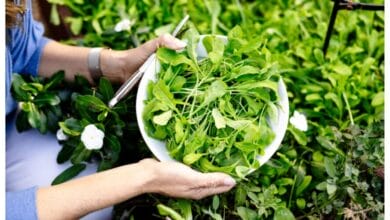
- Type of plant: Leafy vegetables need more nitrogen, while flowering plants require more phosphorus.
- Soil condition: Soil testing helps identify nutrient deficiencies.
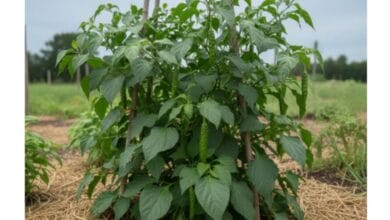
- Growth stage: Young plants need balanced nutrition, while fruiting plants need higher potassium.
For general gardening, a balanced fertilizer such as 10-10-10 or 19-19-19 works well.
Proper Application of Garden Fertilizers
Using fertilizers correctly is as important as choosing the right one.
Tips for safe application:
- Follow recommended dosage
- Apply fertilizers to moist soil
- Avoid fertilizing during extreme heat
- Do not apply chemical fertilizers too close to plant stems
- Water plants after fertilization
Over-fertilization can lead to nutrient burn, poor growth, and soil pollution.
Organic vs Chemical Fertilizers: Which Is Better?
Both organic and chemical fertilizers have their place in gardening. Organic fertilizers improve soil health over time, while chemical fertilizers provide quick results. A balanced approach, combining both responsibly, often gives the best results.
Sustainable Gardening with Fertilizers
Sustainable fertilizer practices include composting kitchen waste, using green manure, crop rotation, and minimizing chemical fertilizer use. These methods protect soil fertility and the environment while ensuring healthy plant growth.
Conclusion
Garden fertilizers are essential tools for maintaining a productive and beautiful garden. Understanding the types, benefits, and correct application methods helps gardeners make informed choices.
Whether you prefer organic solutions or quick-acting fertilizers, responsible use ensures healthy plants, fertile soil, and long-term gardening success.
Frequently Asked Questions (FAQ)
Q1. How often should I apply fertilizer to my garden?
Most gardens benefit from fertilization every 2–4 weeks during the growing season, depending on plant type and fertilizer used.
Q2. Can I use kitchen waste as fertilizer?
Yes, compost made from kitchen waste is an excellent organic fertilizer that improves soil fertility naturally.
Q3. Is liquid fertilizer better than solid fertilizer?
Liquid fertilizers act faster, while solid fertilizers provide long-term nutrition. Both are useful depending on plant needs.
Q4. Can over-fertilization harm plants?
Yes, excessive fertilizer can cause leaf burn, weak growth, and nutrient imbalance in soil.
Q5. Which fertilizer is best for flowering plants?
Fertilizers with higher phosphorus and potassium content are best for flowering plants.
Q6. Is organic fertilizer safe for all plants?
Yes, organic fertilizers are generally safe and suitable for vegetables, fruits, flowers, and indoor plants.
Also Read:Fertilizers are food for plants: they provide nutrients for plants to grow and thrive.